Meat-Free, Not Meagre: A Bath Host’s Vegetarian Grazing Table That Feels Like a Feast

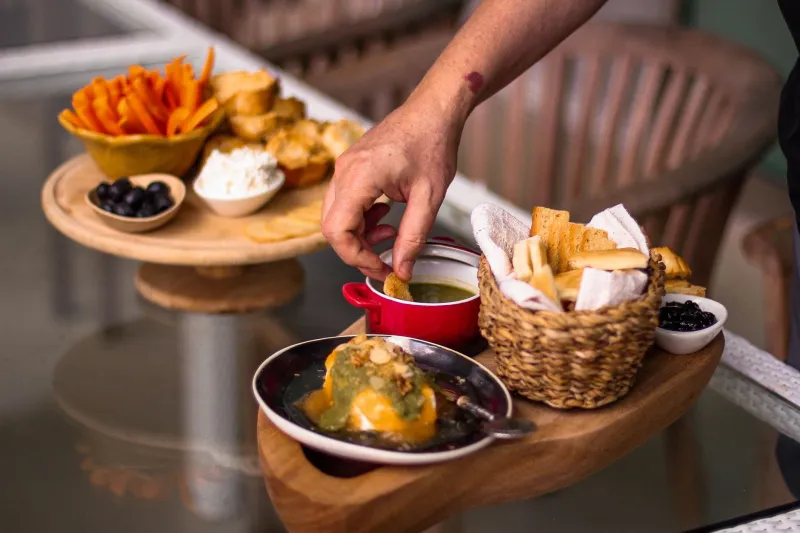
Photo: vegetarian grazing table West Country cheese roasted vegetables dips bread, via athlonsports.com
Vegetarian grazing tables have a reputation problem. Too often, the meat-free option is a sad archipelago of carrot batons, hummus and a lonely falafel, while the rest of the table gets the sausage rolls. It doesn’t have to be that way. A vegetarian spread can be the main event — generous, textural and deeply satisfying — if you build it with the same intent you’d give a charcuterie board. In Bath, with its farmers’ markets and West Country larder on the doorstep, you’ve got a serious head start.
Start with anchors, not garnish
The mistake most hosts make is treating vegetables as the whole story. Vegetables are brilliant, but they need company. Think in terms of anchors: things that feel substantial, look plentiful and give guests something to pile onto a plate. A vegetarian table needs cheese, eggs, pulses, thick dips, sturdy bread and something warm from the oven. Once those are in place, the raw and marinated vegetables become the bright, fresh counterpoint rather than the apology.
For a stand-up party of 20, aim for six to eight cheeses, four dips, three breads, five vegetable dishes and one or two warm extras. That sounds like a lot, but most of it can be made ahead and arranged in generous, overlapping piles. The table should look abundant before anyone has taken a single thing.
The West Country cheese board, folded into the table
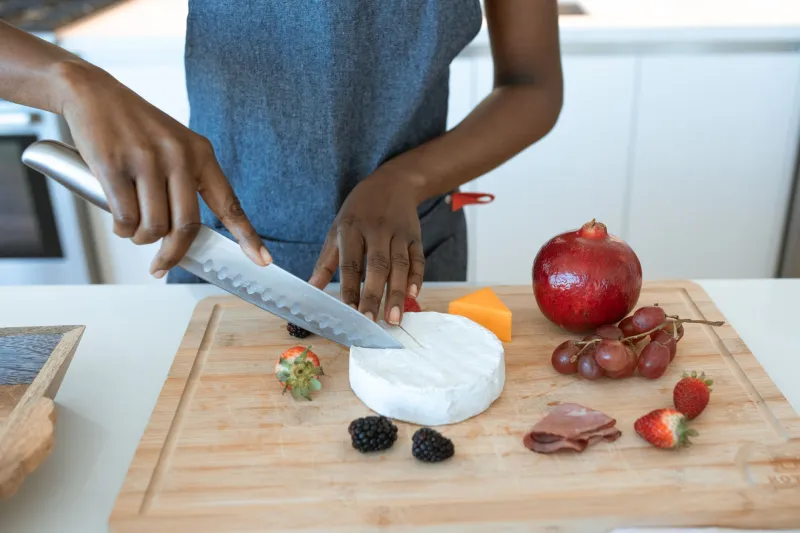
You don’t need a separate cheese course. Instead, let West Country cheese run through the spread. A good Bath cheesemonger will point you towards a mix of hard, soft and blue: a crumbly Somerset cheddar, a soft goat’s cheese, a creamy brie-style cheese, maybe a blue for people who want a sharp finish. Add a smoked cheese if you like, but don’t let smoke dominate everything else.
Cut some cheeses into wedges, crumble others, and leave one or two whole with a knife nearby. Labels help — not because guests need a lecture, but because people like to know what they’re eating. A small slate or card saying ‘Somerset goat’s cheese’ is enough. Pair the cheese with oatcakes, seeded crackers, grapes, sliced apple and a small pot of honey. That combination alone can hold the middle of the table.
Step away from the crudité pile-up
Raw vegetable sticks have their place, but that place is not a heap in the centre of the table. If you want vegetables to feel generous, cook some of them. Roast carrots with cumin and honey until they’re sticky at the edges. Char tenderstem broccoli and dress it with lemon and olive oil. Marinate sliced courgettes with garlic, herbs and vinegar. Roast peppers until soft and sweet, then tear them into strips.
Keep a few raw things for crunch — radishes, fennel, chicory leaves, cucumber — but arrange them with purpose. Fan them out, tuck them into gaps, pair them with a thick dip. The goal is not a vegetable platter; it’s a table where vegetables look like they belong.
Dips that do the heavy lifting
A thin hummus in a plastic tub is not the same as a proper dip. Make or buy dips with body: a smoky baba ganoush, a thick labneh with herbs and lemon, a beetroot and yogurt dip the colour of a Bath sunset, a warm white bean dip with rosemary. Put them in small bowls and scatter them around the table so guests don’t have to queue in one spot.
Dips are also your insurance policy. They fill gaps, they pair with bread, they make raw vegetables feel intentional, and they keep vegetarians from feeling like they’re eating a side dish all night. Add a bowl of marinated olives, some cornichons and a dish of roasted nuts, and the table starts to feel properly stocked.
Bread, grains and the warm extras
Bread is not a filler. It’s the thing that turns a collection of nibbles into a meal. Choose a mix of textures: a crusty sourdough, a seeded loaf, flatbreads, maybe a focaccia with rosemary. Slice some, tear some, and keep a basket or board within easy reach of every side of the table.
If you have oven space, add one warm vegetarian dish that can be eaten with fingers or a small fork. Mini frittatas, mushroom and chestnut pastries, roasted squash wedges with feta, or a tray of halloumi fries. These give the table a sense of occasion and make it feel less like a cold buffet. Grains help too — a bowl of herby tabbouleh or a warm freekeh salad with pomegranate can sit alongside the cheese and vegetables without competing.
Seasonal produce, pickles and a little acidity
In autumn and winter, lean on roasted roots, squash, leeks and dark leafy greens. In spring and summer, use peas, broad beans, tomatoes, radishes and soft herbs. Bath’s farmers’ market is a good place to let the season guide you, but don’t feel you have to source everything locally. The point is to make the table look like it belongs to the time of year.
Pickles and ferments are your secret weapon. A jar of quick-pickled red onions, some fermented carrots, a dish of preserved lemons or a spoonful of sauerkraut adds brightness and stops the table from feeling heavy. Scatter fresh herbs over everything — dill, parsley, mint, coriander — and finish with a good olive oil and flaky salt. Small details make a vegetarian spread feel deliberate rather than default.
Styling for flow, not just looks
Use different heights and surfaces to keep the table interesting. A stack of books under a cloth, a wooden board, a slate, a few small bowls — it doesn’t need to be complicated. Leave space between clusters so guests can reach in with a plate or a napkin. Put cutlery, small plates and napkins at both ends of the table, not just one.
If the party is standing-only, avoid anything that needs two hands or a knife. Pre-cut cheese, tear bread, serve dips with spoons, and keep the warm extras small. A vegetarian grazing table should be easy to navigate after a glass of something. The more guests have to fiddle, the less they’ll eat.
The make-ahead plan
Most of this table can be done before the doorbell rings. Roast vegetables and make dips the day before. Marinate olives and pickles in the morning. Arrange the dry elements — crackers, bread, nuts — an hour before guests arrive. Add the cheese and fresh vegetables just before you serve, and warm the pastries or frittatas as people start to get peckish.
A vegetarian grazing table doesn’t need to shout about being meat-free. It needs to look like the best thing in the room. With West Country cheese, properly cooked vegetables, generous dips and plenty of bread, it will.